UNESCO Trains Policymakers to Define the Problem Before Building AI for Schools
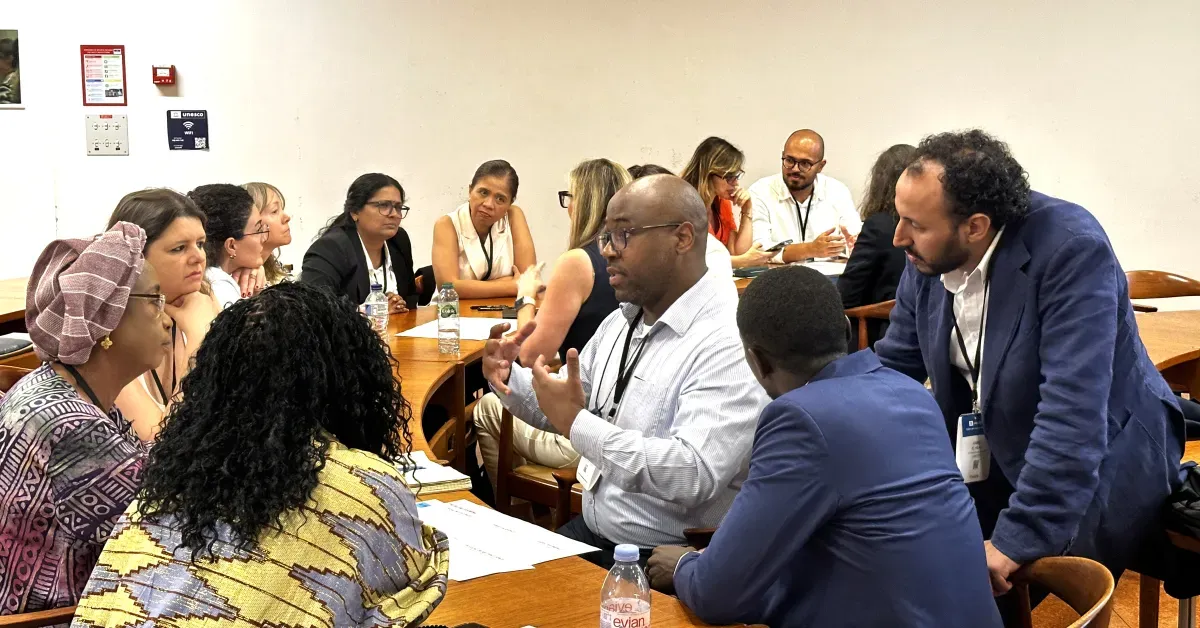
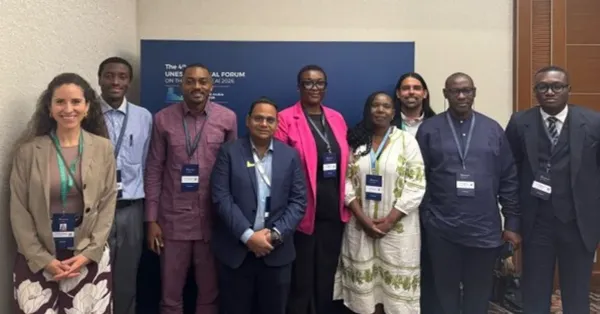
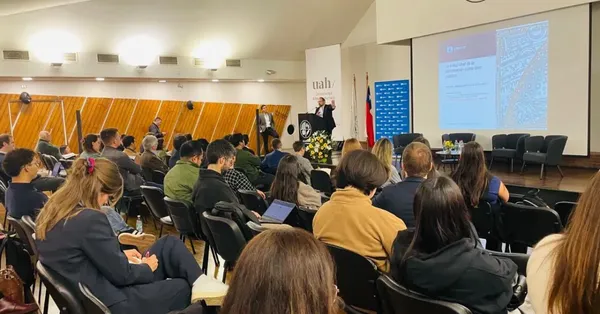
UNESCO says AI for education should begin with a clearly defined problem rather than a chosen technology, and that ethical review belongs before deployment. The organization put both principles into practice in a hands-on training at Digital Learning Week 2026.
- UNESCO ran a hands-on training on designing AI for education at Digital Learning Week 2026, with participants from over 20 countries.
- The training started with mapping stakeholders and their problems, not with choosing a technology.
- Participants applied UNESCO's Ethical Impact Assessment methodology before any system was built.
- UNESCO says it has trained over 35,000 civil servants from 190 countries on ethical AI in public services.
Problem first, technology second
According to UNESCO, AI adoption too often starts with the technology and then works backward to find a use for it. The training at Digital Learning Week 2026, which gathered participants from over 20 countries, reversed that order. It was aimed at policymakers, educators and innovators.
Participants first mapped the stakeholder groups and the problems those groups face. The exercise surfaced issues of poor learning outcomes in elementary schools, mismatches between skills and jobs, the purpose of higher education in the 21st century, and the risk that AI could erode the authority and expertise of teachers.
UNESCO argues that this sequencing matters for three reasons:
- Naming the problem first shows where AI complements other non-technological interventions rather than replacing them.
- It shows where AI might not be the answer at all.
- It gives policymakers an informed view of the risks up front, with the chance to build in mitigations instead of discovering risks after adoption.
Ethics before deployment
The second principle is that ethical review works best before a system is built, not after. Participants used UNESCO's Ethical Impact Assessment methodology, which is grounded in the organization's Recommendation on the Ethics of Artificial Intelligence.
They ran a simplified assessment against the problems they had just identified. For each proposed AI system, they described it in detail and mapped the procedures for mitigating risks before deployment.
UNESCO says the exercise reframed ethics as a key design element rather than a compliance checkpoint. The aim is to evaluate the ethical implications of a proposed system from the outset, instead of retrofitting safeguards once problems appear.
Part of a wider UNESCO effort
UNESCO describes the two principles, defining the problem before the technology and ethics before deployment, as the foundation of its broader work to help governments regulate AI for and by people in ways that are ethical, inclusive and human rights-based.
The organization has developed AI competency frameworks for civil servants, students and teachers. It says it has trained over 35,000 civil servants from 190 countries on designing public services integrated with AI while upholding ethical governance. Its AI for the Public Sector Programme includes a flagship MOOC on AI and Digital Transformation in Government, the Digital Competency Framework for Civil Servants, and the SPARK-AI Alliance, which has over 50 schools of public administration representing 116 countries.
On education, UNESCO says it supports Member States in using AI to advance the Education 2030 Agenda (SDG 4), guided by inclusion and equity. Within the framework of the Beijing Consensus, this includes its guidance document Artificial Intelligence and Education: Guidance for Policy-Makers, and the AI Competency Frameworks for Students and Teachers.
What it means for education systems
For education authorities weighing AI tools, the message from UNESCO is a process one: identify the problem and the affected stakeholders, test whether AI is the right response at all, and assess ethical risks while mitigations can still be designed in. The training shows how that approach can be turned into a practical exercise for policymakers and educators, using an existing assessment methodology rather than a new compliance step after launch.
UNESCO (AI): Start with defining the problem, not the algorithm: Designing AI for