UNESCO and Google Test AI Ethics Toolkit with 22 Brazilian Creators
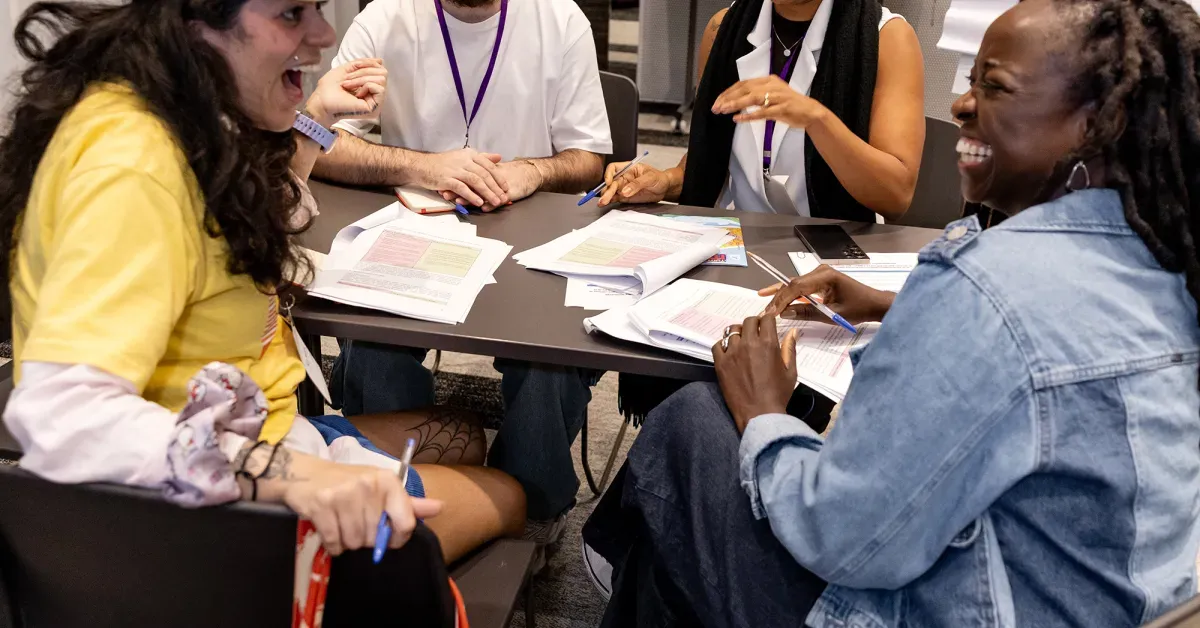
UNESCO and Google have tested a draft of the Super Creators Toolkit, a practical guide to informed and ethical AI use, with 22 Brazilian digital content creators in São Paulo. According to UNESCO, the creators reach a combined audience of 93M followers on major social media platforms.
- 22 Brazilian creators with a combined audience of 93M followers tested the draft Super Creators Toolkit in São Paulo on 1 October 2026.
- UNESCO developed the toolkit with Google, with support from YouTube and partner Redes Cordiais.
- The toolkit is built on media and information literacy and centers on the SIFT method.
- Participants flagged AI risks including inaccurate output, opaque sources and embedded biases.
- The final toolkit is due for launch later this year, according to UNESCO.
A first pilot in São Paulo
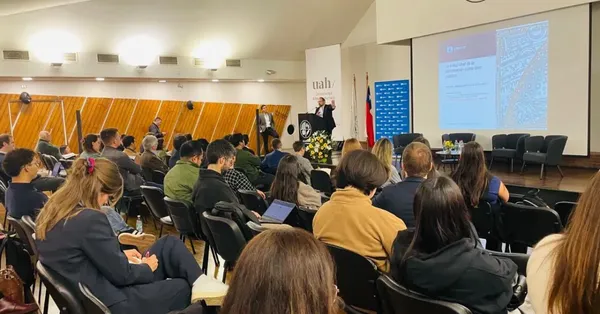
The pilot workshop took place in São Paulo on 1 October 2026. It was held with the support of Google and YouTube, in partnership with Redes Cordiais, and was the first time content creators tested the draft toolkit. UNESCO says the final version is due for launch later this year.
UNESCO developed the Super Creators Toolkit with Google, reasoning that digital content creators play an increasingly influential role in shaping the online information ecosystem. The guide is grounded in media and information literacy (MIL) principles. UNESCO defines MIL as a set of competencies that empowers people to critically access, evaluate, create and engage with information and media in ways that are informed, ethical and meaningful.
How creators use AI, and where it falls short
During an extensive discussion, the creators described using AI tools for ideation, research, scriptwriting, translation and editing, as well as for generating images, audio and video. Their experience varied widely, from people who had never used AI tools to others who build them systematically into their workflows.
Participants agreed that AI can expand creative possibilities and streamline production, but also raises new problems. According to UNESCO, the information AI produces is not always accurate, its sources are not always transparent, and the systems can carry embedded biases. Creators therefore need skills to assess accuracy, understand how AI systems produce outputs, identify potential biases, verify sources and stay transparent with their audiences.
Creator Felipe Castanhari said he approaches AI by thinking about how it can make the work of the editors and illustrators he works with more efficient. He said he never thinks about how it might replace them because, in his opinion, "there is no way to replace people."
The SIFT method at the core
A central piece of the toolkit is the SIFT method, an English-language acronym for four steps to take before publishing content: Stop. Investigate the Source. Find Better Coverage. Trace Claims to their Original Context. UNESCO describes it as a practical, proven framework that can guide both producers and consumers of content.
The workshop also stressed creators' responsibility to share reliable, fact-checked material. Audience metrics, UNESCO says, are only indicators and should not decide what to post. Creators should decide which content best serves their audience. Creator Rosana Hermann said the meeting combined technical input such as SIFT and MIL from UNESCO with the human experience of engaging with other people.
Why it matters
UNESCO places the workshop in a context of growing concern about AI-generated content that circulates widely across social media platforms, news feeds and messaging apps. Disinformation, it says, makes it harder for people to judge the authenticity of content and its sources, which raises the importance of MIL.
The organization argues that content creators sit at the center of this problem, as both a primary challenge and a potential solution. With influence over millions of followers, they are in a position to promote media and information literacy, advocate for ethical AI use and build informed online communities. The full toolkit is expected later this year.
UNESCO (AI): UNESCO and Google partner to empower Brazilian content creators