UNESCO and CODEMAO Host Africa-Asia Youth AI Tour in Shenzhen
UNESCO and its strategic partner CODEMAO ran the Africa-Asia Youth AI Tour in Shenzhen, China, from 20 to 25 July 2026, bringing together officials, educators and students from six countries. According to UNESCO, 68 schools received official pilot accreditation at the forum.
- UNESCO and CODEMAO held the Africa-Asia Youth AI Tour in Shenzhen from 20 to 25 July 2026.
- Participants came from China, Côte d'Ivoire, Kenya, Namibia, the Republic of the Congo and Thailand.
- 68 schools received official pilot accreditation at the forum.
- A cooperation framework covers curriculum development, teacher capacity building, student mobility and project-based learning.
- The tour is part of the Youth Coding Initiative launched in 2021.
A six-day programme in Shenzhen
The UNESCO Africa-Asia Youth AI Tour was organized by UNESCO with CODEMAO and supported by the UNESCO Institute for Information Technologies in Education (IITE). It aimed to advance cross-continental collaboration on AI education and boost digital literacy among young people in Africa and Asia.
The tour is part of the UNESCO-CODEMAO Youth Coding Initiative, launched in 2021. UNESCO says the initiative seeks to strengthen digital literacy among young people in both regions, foster cross-continental cooperation on AI education and advance the inclusive digital transformation of education globally.
The event combined a high-level policy forum, technology-focused study visits and a three-day programme of student training and project co-creation. Participants came from China, Côte d'Ivoire, Kenya, Namibia, the Republic of the Congo and Thailand.
Policy forum and youth voices
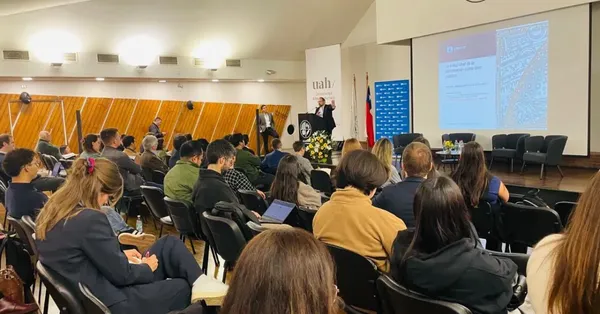
The Africa-Asia Youth Forum on AI Education and Innovation Ecosystems took place on 20 July and was moderated by Zhan Tao, former Director of UNESCO IITE. It brought together education authority representatives from the six countries, UNESCO staff from Headquarters, field offices and IITE, academic researchers, educators and industry stakeholders.
Participants discussed regional coordination for AI education, implementation strategies in classrooms and the joint development of innovation ecosystems. According to UNESCO, the talks looked at how to mobilize educational resources, forge partnerships and expand learning opportunities across regions, balancing local relevance with international connectivity.
Mohamed Elfarnawany, Director for Priority Africa at UNESCO, described the partnership as "the very example of what South-South cooperation looks like when it succeeds." He also said that "every exchange between Brazzaville and Bangkok, between Nairobi and Shenzhen, is South-South cooperation in motion."
A dedicated youth session let student representatives describe their learning journeys, cross-cultural experiences and engagement with coding education, as well as their hopes for the future. UNESCO says these learner perspectives were built into the formal deliberations.
Framework, accreditation and student projects
The event established a structured framework for long-term cooperation covering curriculum development, teacher capacity building, student mobility and project-based learning. UNESCO describes it as a bridge between international multilateral dialogue and sustained local implementation.
In total, 68 schools received official pilot accreditation at the forum. UNESCO says this extends the initiative's geographical scope and demonstrative impact.
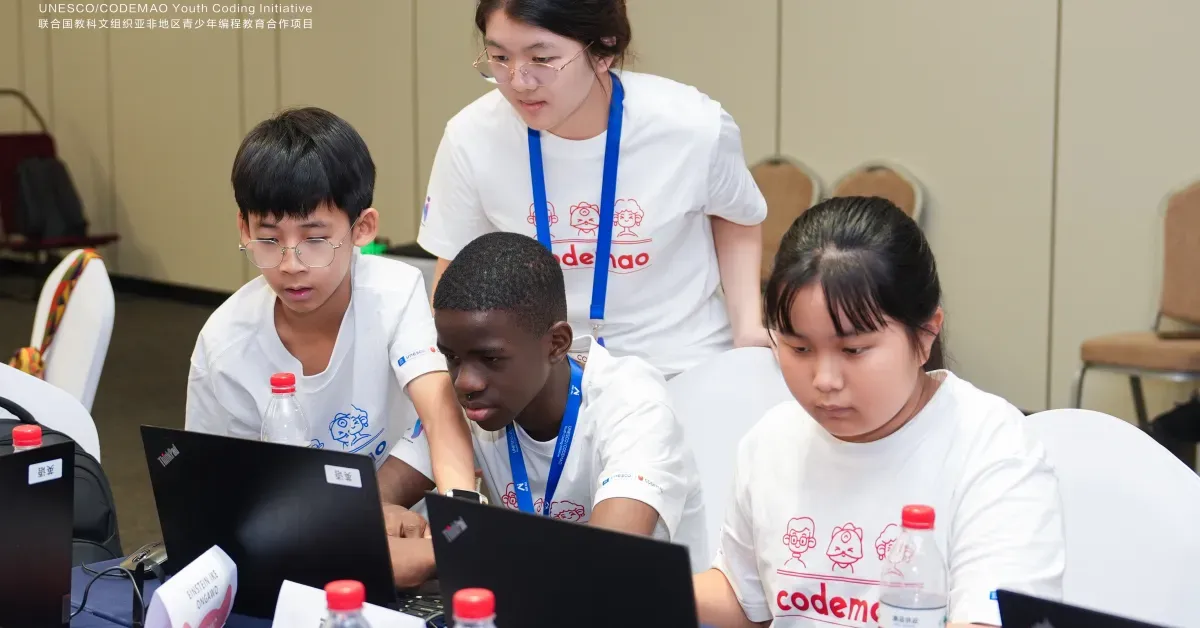
From 23 to 25 July, international student cohorts took part in a three-day training and cross-border coding and AI project co-creation programme, with pedagogical support and technical guidance from CODEMAO's curriculum team. Through group work, joint development, project pitching and a final showcase, students went through a full cycle of learning, experimentation, teamwork and public presentation. They completed collaborative team deliverables and delivered project roadshows.
After evaluation by a judging panel, outstanding participants were awarded certificates and trophies jointly issued by UNESCO and CODEMAO.
What comes next
UNESCO says it will continue to work with CODEMAO on teacher training, inter-school communications and youth innovation, aiming at the long-term, inclusive development of digital education across Africa and Asia.
For schools and educators in the participating countries, the pilot accreditation and the cooperation framework point to continued exchange on curriculum, teacher training and student mobility. The source does not give further details on funding, timelines or how the accredited schools will take part.
UNESCO (AI): UNESCO and CODEMAO advance Africa-Asia cooperation in AI education